
Denture Reline
jose canas • October 29, 2025
Why Denture Relines Are Essential — and What Happens If You Skip Them
Over time, your gums and bone structure naturally change — especially after tooth loss. These changes can cause your dentures to loosen, making them less comfortable and less effective. That’s where a denture reline comes in.
✅ What Is a Denture Reline?
A denture reline is a simple procedure that refreshes the inner surface of your denture to better fit your mouth’s current shape.
It doesn’t change the appearance of your denture — just the way it fits against your gums.
There are two main types:
Soft Reline: adds a cushioned layer for sensitive gums
Hard Reline: provides a durable, longer-term adjustment for better stability
Most dentures should be relined every 2 to 3 years to maintain comfort and function.
💡 Benefits of Regular Denture Relines
Improved Fit & Comfort: No more slipping or sore spots
Better Chewing Efficiency: Enjoy meals without discomfort
Healthier Gums: Reduces irritation and inflammation
Longer Denture Life: Prevents cracks and pressure damage
Saves Money Long-Term: Relining is much cheaper than replacing dentures
⚠️ What Happens If You Don’t Reline Your Dentures
If relines are ignored, several issues can occur over time:
Loose Fit: Dentures begin to move when speaking or eating
Sore Spots & Infections: Friction causes gum irritation and inflammation
Bone Shrinkage: Poor-fitting dentures speed up jawbone loss
Cracks or Breakage: Extra pressure on uneven areas damages the denture
Speech & Appearance Changes: Dentures may no longer align correctly
In short — skipping relines shortens your denture’s lifespan and can harm your oral health.
🗓️ When to Book a Reline
You may need a reline if you notice:
Your denture feels loose or unstable
Food gets trapped underneath
You use more adhesive than before
You have sore or irritated gums
If you’ve had your dentures for more than 2 years, it’s a good time for a professional fit check.
📍Book Your Reline at St. Albert
At Functional Denture Clinic, we make relining quick and comfortable — often completed the same day.
Call us or visit
www.functionaldentureclinic.com to schedule your reline appointment and restore the comfort of your smile.
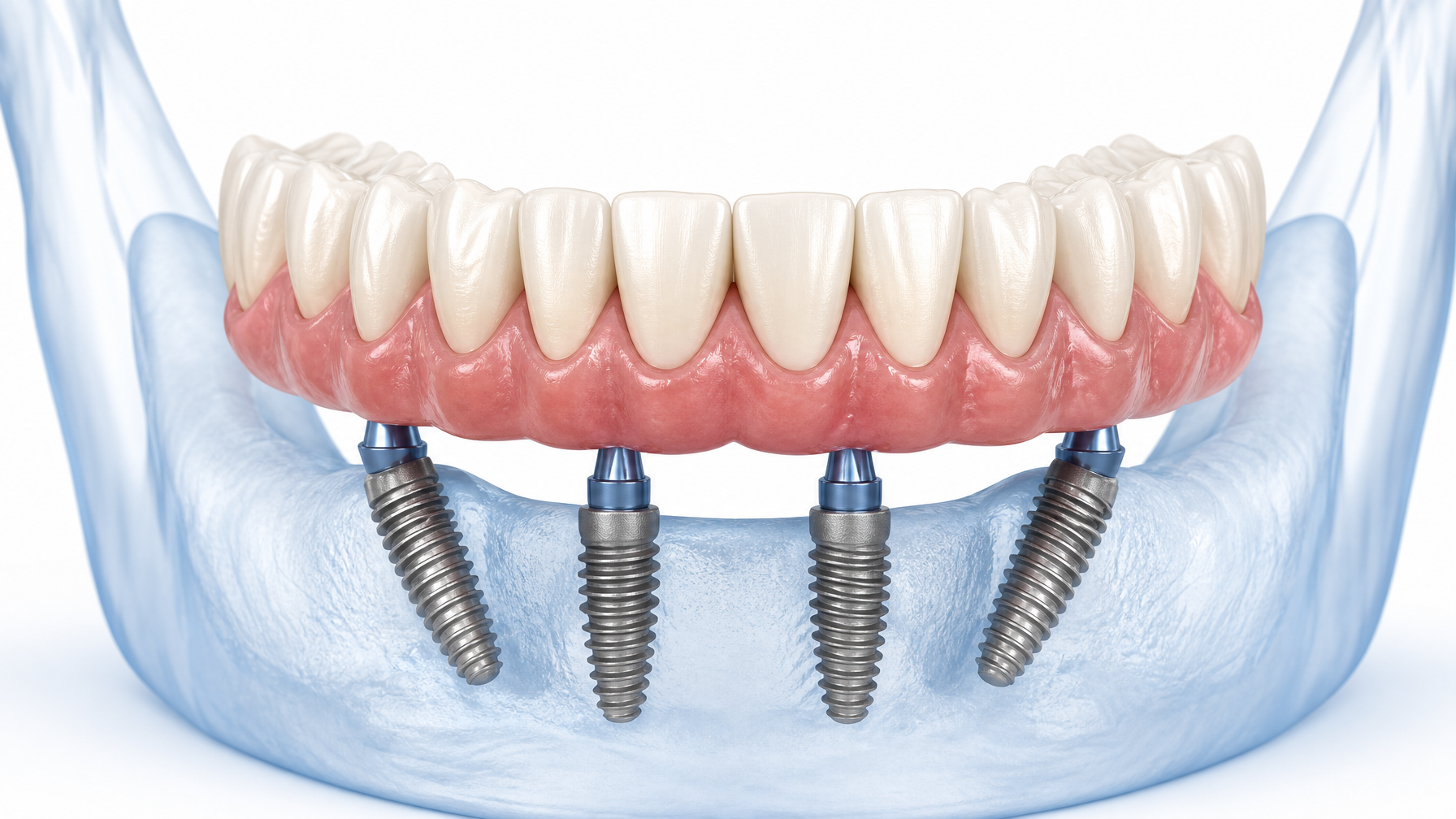
Learn about All-on-4 dental implants near St. Albert. Functional Denture Clinic offers implant denture consultations for Edmonton & area. Call 780.459.0632.
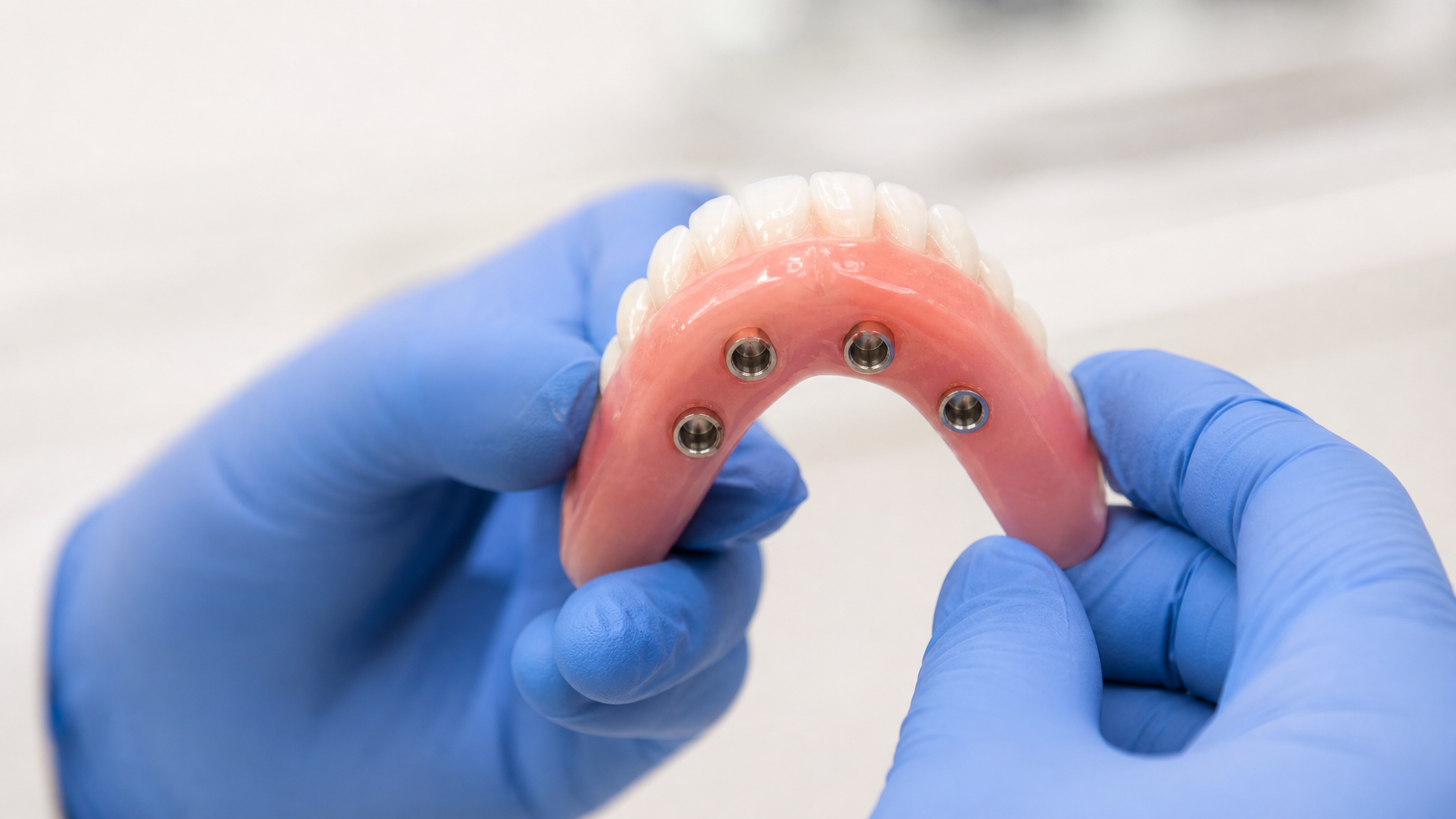
Implant Dentures in St. Albert
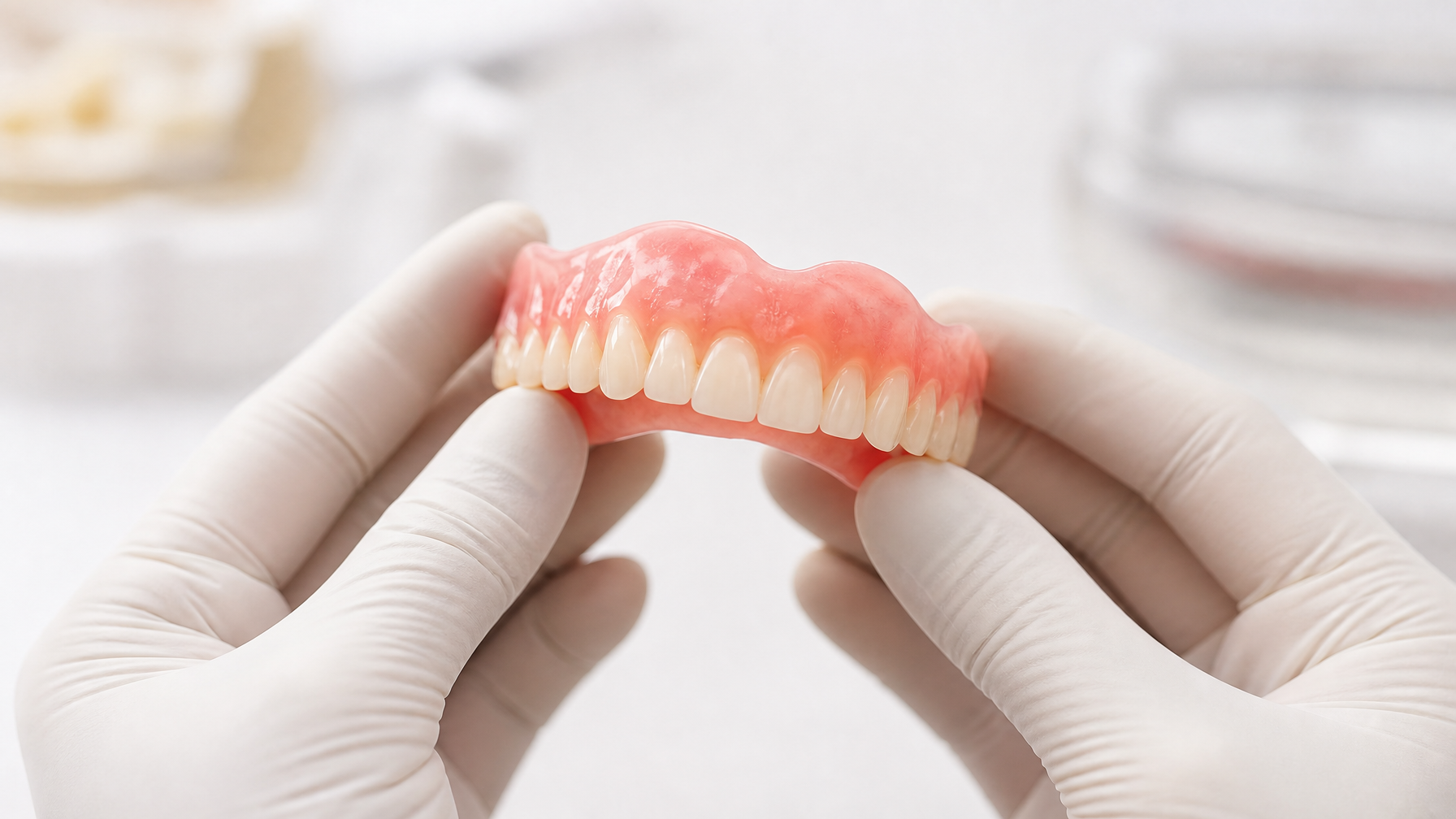
Need a denture reline in St. Albert or Edmonton? Functional Denture Clinic offers soft and hard relines done in our on-site lab. 4.9 stars. Book a free consultation.

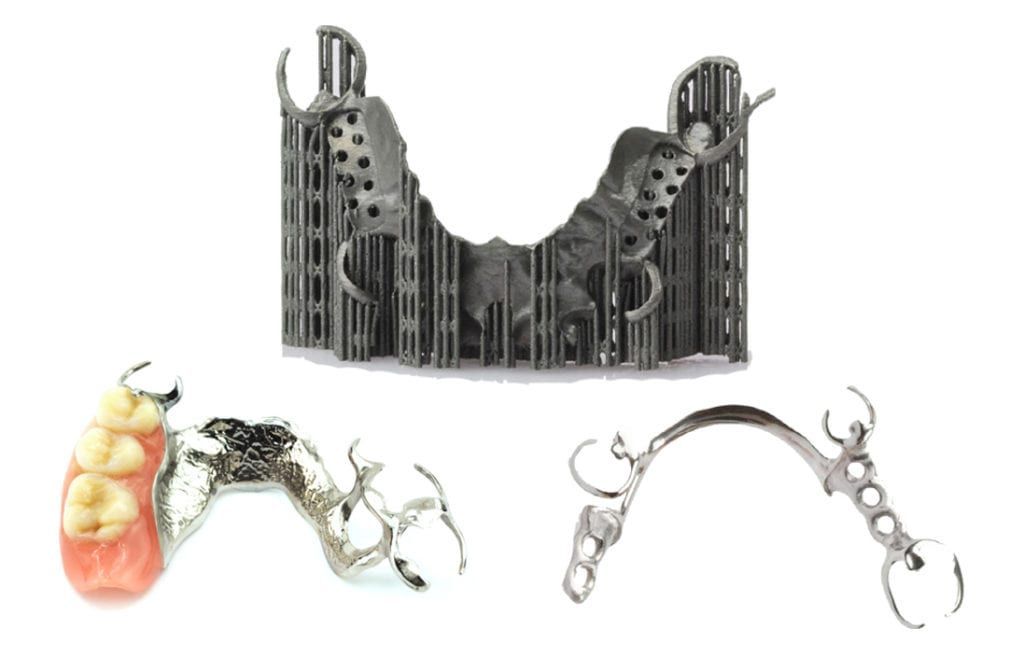
How Much Do Dentures Cost in Edmonton? (2026 Price Guide) Dentures in Edmonton and the St. Albert area typically range from $800 to $26,000 depending on the type. Complete dentures average $1,655-$1,805, partial dentures run $814-$1,927, and implant-supported dentures start around $3,740. The Canadian Dental Care Plan (CDCP) may cover a portion of your costs if you qualify. What Do Dentures Cost in Edmonton? If you've been searching for denture prices in Edmonton or St. Albert, you already know one thing: the answer is rarely straightforward. Most clinics don't list prices online, which makes it hard to plan financially before your first appointment. Here's the honest answer: denture costs in Edmonton follow the College of Alberta Denturists fee guide, which sets recommended (not mandatory) pricing across the province. Most reputable denturists price their services within this range. On average, expect to pay between **$1,600 and $2,000 for a standard complete denture** in the Edmonton area. Prices vary based on materials, complexity, and the technology your denturist uses in their lab. Types of Dentures and Their Prices Complete (Full) Dentures Complete dentures replace all teeth in the upper or lower jaw, or both. | Type | Estimated Cost (per denture) | | Standard Complete Denture | $1,655 | | Premium Complete Denture | $1,805 | | Immediate Complete Standard Denture | $1,938 | | Immediate Complete Premium Denture | $2,088 | Immediate dentures are placed the same day your remaining teeth are extracted. They cost slightly more because of the additional planning and adjustments required as your gums heal. Partial Dentures Partial dentures fill the gaps when you still have some natural teeth remaining. | Type | Estimated Cost | | | Temporary Acrylic Partial (Flipper) | $814 | | Standard Cast Partial Denture | $1,777 | | Premium Cast Partial Denture | $1,927 | | SLM Selective Laser Melting Partial | Premium pricing | At Functional Denture Clinic in St. Albert, we offer SLM (Selective Laser Melting) partial dentures crafted with precision laser technology. These metal-framework partials are lighter, stronger, and more comfortable than traditionally cast partials. They're an excellent choice for patients who want a superior long-term fit. ### Implant-Supported Dentures Implant dentures anchor to titanium posts placed in your jawbone for a more stable, secure fit. | Type | Estimated Cost | |---|---| | Implant Denture with 2 Locator Implants | $3,740+ | | Fixed Implant Hybrid Denture (All-on-X) | $26,000+ | While the upfront cost is higher, implant-supported dentures eliminate slipping, improve chewing ability significantly, and preserve your jawbone over time. Many patients consider them the most life-changing option available. ### Digital Dentures Digital or 3D-printed dentures use CAD/CAM technology to design and mill your denture with precision. They typically cost slightly more than standard dentures but offer better fit accuracy, faster production time, and the ability to reproduce an exact copy if your denture is ever lost or damaged. What Affects the Cost of Dentures? Several factors influence the final price you pay: **1. Material Quality** Premium teeth and acrylic bases last longer and look more natural. Standard options cost less upfront but may need replacing sooner. **2. In-House Lab vs. Outside Lab** Clinics with in-house labs (like Functional Denture Clinic) can control quality at every stage and often deliver faster turnaround times. Outsourcing lab work adds cost and reduces quality oversight. **3. Type of Denture** Immediate, implant-supported, and digital dentures involve more steps, materials, and technology than a standard complete denture. **4. Additional Procedures** Extractions, gum treatments, or bone preparation before fitting can add to your overall cost. Your denturist will assess these at your initial exam. **5. Number of Appointments** A properly fitted denture requires multiple appointments for impressions, try-ins, and adjustments. Clinics that rush this process often produce inferior results. Does Insurance Cover Dentures in Alberta? Many private dental insurance plans cover a portion of denture costs, typically 50% up to an annual maximum. Coverage varies widely by plan, so check your policy details before your appointment. Alberta does not have a provincial denture subsidy program for working-age adults, but the federal **Canadian Dental Care Plan (CDCP)** now provides coverage for eligible residents. Is the Canadian Dental Care Plan (CDCP) Accepted? Yes. Functional Denture Clinic accepts the **Canadian Dental Care Plan (CDCP)**. The CDCP is a federal program that covers a range of oral health services, including removable prosthodontics (dentures), for Canadians who: - Do not have private dental insurance - Have an adjusted family net income under $90,000 - Are Canadian residents with a valid SIN Coverage under the CDCP includes complete dentures, partial dentures, immediate dentures, and denture repairs, subject to preauthorization for certain procedures. ([Canada.ca CDCP Coverage](https://www.canada.ca/en/services/benefits/dental/dental-care-plan/coverage.html)) If you qualify, the CDCP can significantly reduce your out-of-pocket costs. Call our clinic and we'll help you understand what your plan covers before your appointment. How to Choose the Right Denturist in Edmonton Price is only one factor. Here's what actually matters when choosing a denturist: **In-house lab:** A denturist who crafts your denture in their own lab has full control over the quality of every step. This matters for fit, aesthetics, and durability. **Technology:** Digital scanning and SLM partial denture technology produce more precise results than traditional impression methods. **Experience with your case:** Ask how many cases like yours the denturist has completed. Not all clinics specialize in implant-supported or digital dentures. **Direct billing:** A clinic that direct bills your insurance or CDCP saves you paperwork and upfront payment hassle. **Reviews and reputation:** Check Google reviews and ask for before-and-after photos. Book a Free Consultation in St. Albert At Functional Denture Clinic, Jose Canas, DD, crafts every denture by hand in our in-house lab using a combination of artisan precision and digital technology. We serve patients from St. Albert, Edmonton, and Sherwood Park, and we accept the Canadian Dental Care Plan and direct bill most major insurance providers. Your first consultation is free.** We'll assess your situation, walk you through your options, and give you a clear picture of costs before you commit to anything. Call us: 780.459.0632 Visit us: 31 Liberton Dr., Suite 112, St. Albert, AB T8N 5X6 Hours: Mon-Tue 9am-6pm Wed 9am-5pm Thu 9am-4pm Fri 9am-3pm [Book your free consultation today](https://www.functionaldentureclinic.com/ Pricing information referenced from the College of Alberta Denturists fee guide and publicly available Edmonton-area clinic pricing. Individual costs vary based on clinical assessment. Contact our clinic for a personalized estimate.*

How much do dentures cost in Edmonton in 2026? Complete price guide covering standard, partial, implant-supported dentures, CDCP coverage, and what to expect.

Dentures are an essential solution for restoring your smile, comfort, and chewing ability. But how long do dentures last? At Functional Denture Clinic in St. Albert, we see patients using dentures for years, but replacement or adjustments are often needed to maintain comfort and function. Average Lifespan of Dentures Most dentures last 5–7 years, depending on the material, type, and care. Over time, dentures can become loose, uncomfortable, or worn down, affecting both chewing efficiency and appearance. Factors that affect denture lifespan: Material quality (acrylic vs. digital dentures) Changes in gum and bone structure Daily use and maintenance Accidental damage or wear Signs You Need Denture Replacement You should consider seeing your denturist if you notice: Loose fit or frequent slipping Difficulty chewing or speaking Worn teeth or uneven bite Soreness, irritation, or mouth sores Ignoring these signs can lead to discomfort, poor nutrition, or oral health issues. Tips to Extend Denture Life Clean your dentures daily using recommended solutions. Store them properly in water or a denture container when not in use. Schedule regular checkups with your denturist in St. Albert. Avoid using teeth for non-food items like opening packages. With proper care, your dentures can last longer and stay comfortable. When to Visit Functional Denture Clinic At Functional Denture Clinic, we help patients: Replace old dentures Refit partial or full dentures for better comfort Provide implant-supported dentures for stability Our clinic in St. Albert ensures your dentures fit perfectly, look natural, and restore confidence. Call to Action If your dentures are slipping, worn, or uncomfortable, book a consultation at Functional Denture Clinic today! 📞 Call 780‑459‑0632 or visit us at 31 Liberton Dr, Suite 112, St. Albert, AB .
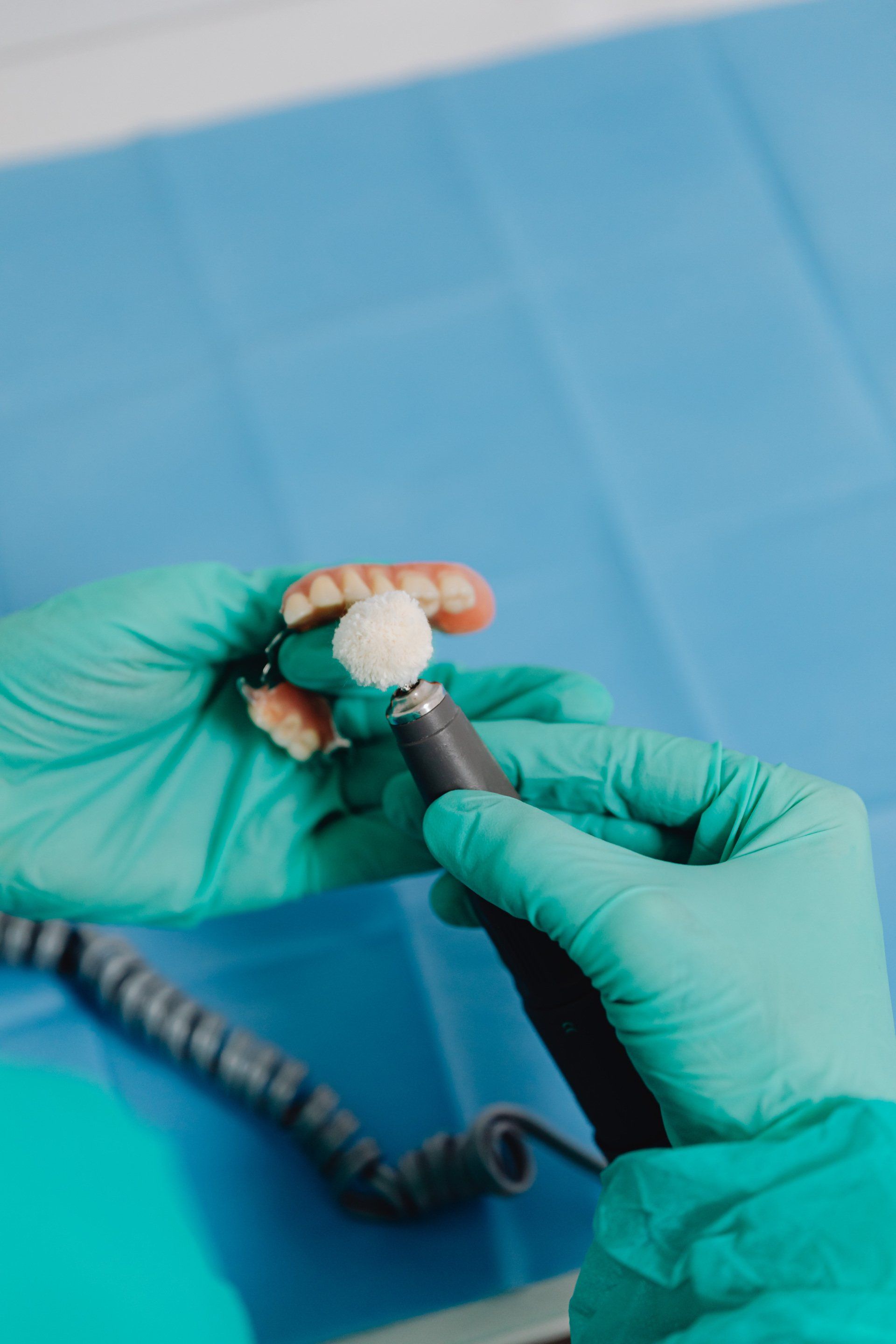
Dental Health and Longevity: Proper Denture Care
This is a subtitle for your new post
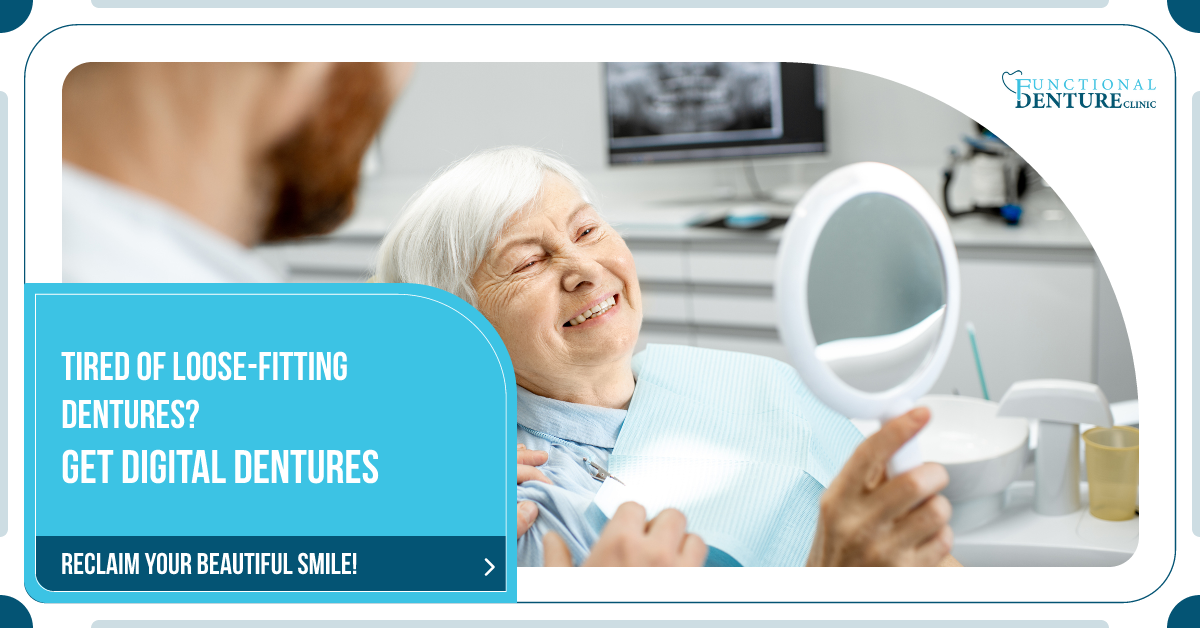
Revolutionizing Smiles: The Impact of Digital Dentures in Modern Dentistry.
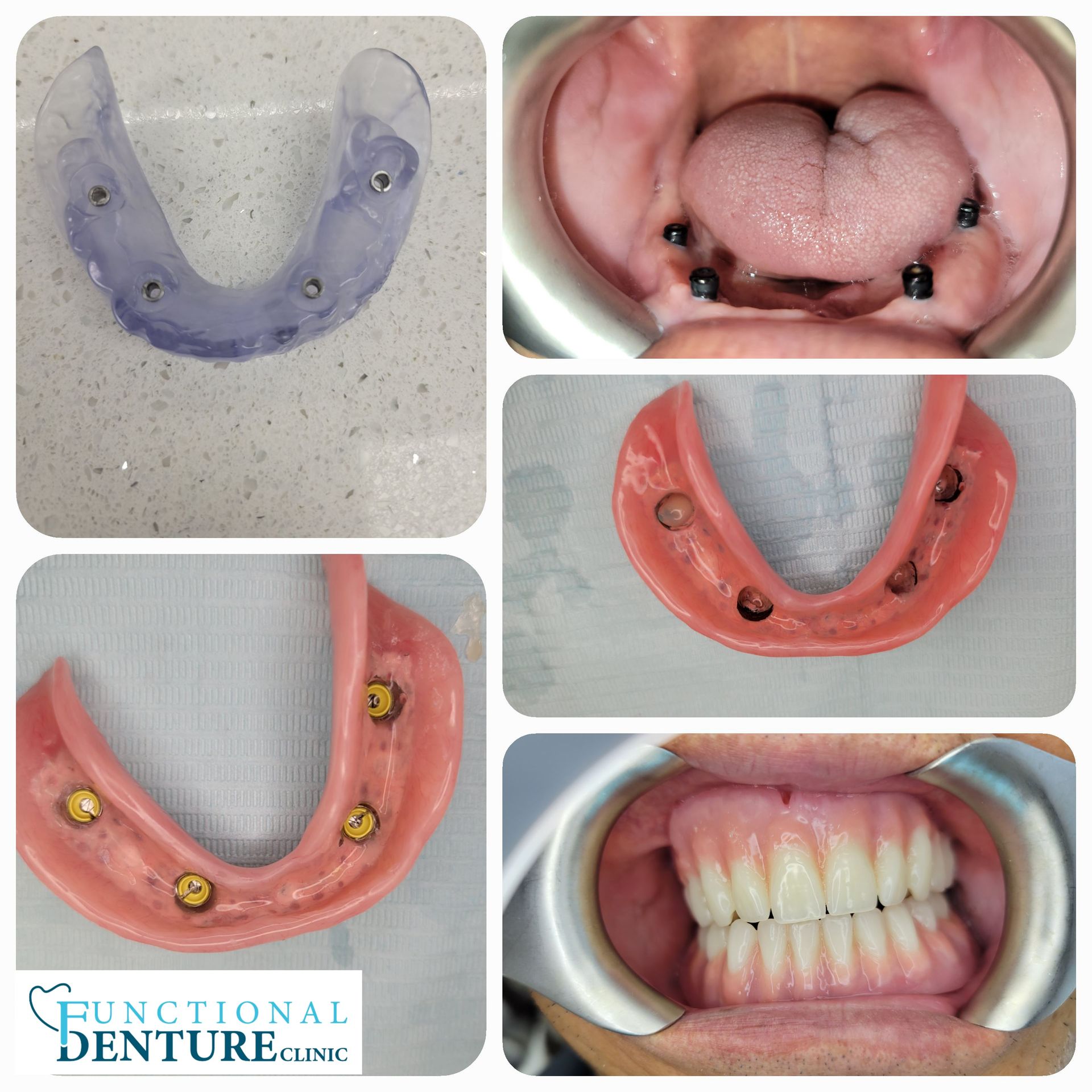
Why is Implant Supported Lower denture so important?